Family life on the road: what it’s like to travel locum your way around Australia

Medipeople • September 1, 2017

What It’s Like to Travel Locum Your Way Around Australia


Snorkeling the Great Barrier Reef. Running into a Cassowary in the Daintree Rainforest. Hiking to see Aboriginal rock art in Carnarvon Gorge. Squeezing through the dark passageways of Capricorn Caves. Walking around the base of Uluru. Looking out for Saltwater Crocodiles in Kakadu National Park. These are just a handful of the memories we have made during the past six months while doing travel locum work!


In January 2016 our family of five left our home in Brisbane to travel around Australia in a camper trailer for twelve months. In preparation for the new lifestyle, we sold most of our belongings and moved the rest into storage.


WHY WE DECIDED TO TRAVEL


Most people assume that we are travelling because we want to see the gorgeous country of Australia. While this is true, in part, the larger reason we decided to travel was to challenge ourselves to grow in new ways.


First of all, it was great timing for my husband’s medical career. He had recently passed his Emergency Medicine consultant exams after several years of study. If we ever wanted to take an extended period of time to travel.


We also knew that by doing travel locum work in different hospitals around the country, we would get a feel for what different communities would be like to live and work in. From the mining town of Mount Isa QLD to the large Aboriginal community in Katherine NT, he is getting a wide variety of clinical experience.


HOW WE FUNDED THE TRIP


We had not saved any funds for our trip, so we simply budget month to month and figure out how much we need to work along the way. In general we have taken a two to three week travel locum job every two months in order to cover our expenses. James from Medipeople simply sends us a list of available travel locum positions and we choose which jobs will coincide with our travel plans. Each travel locum job gives us a little break from the travelling lifestyle and helps us regain our momentum. I honestly do not think I would be able to travel 12 months full on had it not been for these “mini holidays” in hospital provided accommodation. Staying in a furnished house or unit is a welcome experience after 6 to 8 weeks of being on the road, and my husband enjoys the challenge of a frequently changing work environment.


FAMILY LIFE


Regarding the children, there are pros and cons to travelling while they are young. Our kids were 1, 5 and 7 when we started out. The benefit of going early rather than later is that the kids were not already established in school like they would be when they are older. It does mean, however, that we have to set a pace that is reasonable for our little travellers and the types of activities we participate in are occasionally limited. We don’t usually drive more than 10 hours in a week, and one touristy type outing is usually enough for each day.


All in all, every family member is finding out what it means to truly value moments not things, and getting to see so much of this amazing country we live in is, in a word, priceless. I don’t think we will ever be able to explain how much we have all gained from this experience.


Yes, we have had a flat tyre and other mechanical problems. Yes, we have had to set up camp in the pouring rain. Yes, we have had to sleep in 42 degree heat. Yes, we have had multiple screaming kids on a long car ride. But I wouldn’t change a thing!


TRAVEL LOCUM WORK


With all the fun memories and insights we have had during our trip, I can safely say this will always be one of our favourite years to look back on.


I would recommend, to anyone who can swing it, to definitely give travel locum work a go. You might regret not doing it, but you won’t ever regret doing it.


Embrace life and enjoy the ride!


Chelsea Smith

December 15, 2025
Locum Doctors: An Expensive Problem - or a Measurably Better Value?
By Chris Tsolakis November 17, 2025
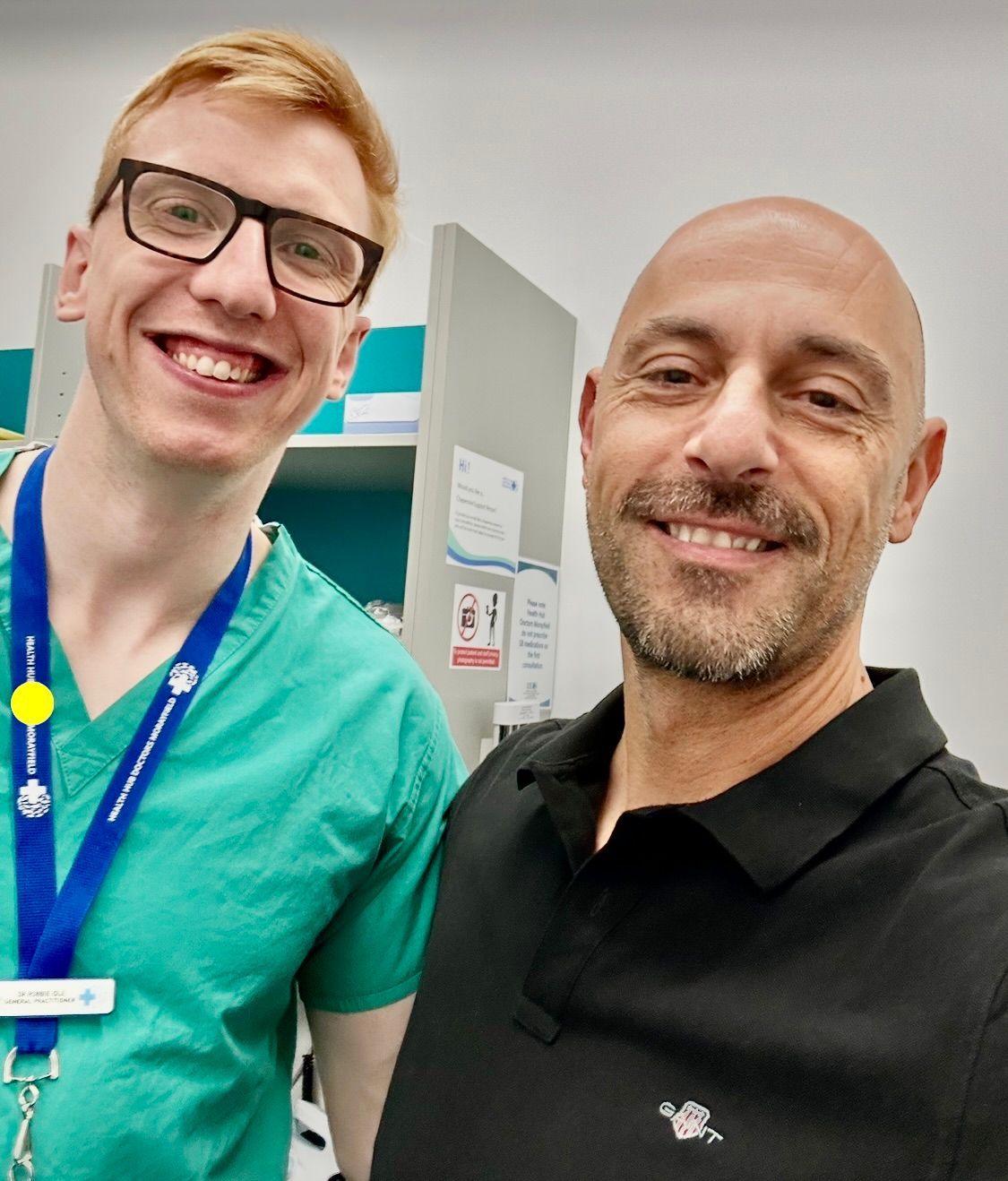
Every so often, a placement stands out, not because it was the easiest, but because it marked a turning point in how we support GPs moving to Australia. Dr Idle’s journey from Scotland to Brisbane is one of those stories. When I first connected with him, the AHPRA Expedited Specialist Pathway was in the works but hadn’t officially started. He had initially submitted his RACGP Specialist Assessment, and then, the new pathway was announced, promising a much faster, cleaner route for UK GPs with CCT + MRCGP. We moved quickly, transferring his RACGP application and switching him over to the ESP to speed up his application. He became one of the very first GPs to go through this new process. And while the pathway itself was designed to be “expedited,” the reality of being first through the door was… interesting. There were delays, long pauses, and moments where we clearly saw AHPRA navigating a new internal process while dealing with a high influx of applications. Nothing moved clean or in a way we had expected. Because we corresponded directly with AHPRA daily, we were able to follow up, clarifying requirements, escalating where appropriate, and making sure nothing slipped through the cracks while the system caught up with itself. Eventually, after what felt like a marathon for everyone involved, Dr Idle was officially registered, visa approved, and on a plane to Australia. Today, he’s thriving in an exceptional practice, fully settled, and building exactly the future he hoped for when he first reached out from Scotland. It’s been almost two years now, and we’re still in touch, not just for professional updates but to support him as needed. Our support continues long after a doctor starts their new role. Relocating your entire life to the other side of the world is a huge step, and whether it’s career progression, financial, schooling, community, or simply a friendly chat, we’re here for it. And personally, even after twenty years in GP recruitment, it still gives me genuine joy when I finally meet a doctor in person after months of online correspondence and guiding them through the maze of registration, visas, logistics, and relocation. Seeing them happy, settled, and thriving is why I still love what I do. Since then, we’ve guided many more doctors through the Expedited Specialist Pathway. It has become smoother and more predictable than when it first launched. With the right guidance and careful preparation, most of the early delays can now be avoided. Dr Idle’s journey from Scotland to Brisbane wasn’t perfect or straightforward, but it was meaningful. It marked the beginning of a new chapter for how international GPs come to Australia, and I’m proud we helped him navigate it before the pathway had even found its rhythm. If you're a UK GP considering the move, I’m always happy to talk through the process and help you understand whether it’s the right next step for you. With the right guidance, the transition truly can be life-changing, just as it was for Dr Idle.
November 12, 2025
Across Australia, general practice is changing fast and so are the pressures on GPs. From increasing patient complexity to stagnant funding, many doctors are questioning whether their current practice truly supports the kind of medicine they want to provide. The Realities GPs Are Facing in 2026 Rising complexity, less time to care Recent RACGP data shows that over two-thirds of GPs are managing more complex, multi-condition cases than ever before. Many are spending longer with patients but without adequate remuneration or support. Funding that hasn’t kept pace Despite government incentives, Medicare rebates and practice funding haven’t matched the true cost of quality care. Practices are being forced to choose between bulk billing and financial sustainability, and GPs are feeling the strain. Administrative overload and burnout The non-clinical workload has ballooned. From compliance and care plans to IT and communication gaps, it’s no surprise that one in three GPs say they may leave practice within five years. Searching for better balance Most GPs still love what they do but want better systems, better support, and more time for patients. They’re looking for practices that align with their values: professionalism, autonomy, and patient-centred care. What a Better Opportunity Really Means If you’re a GP currently feeling these pressures, the solution might not be “more or less of the same” it might be finding a practice managed differently. Clinics that focus on quality over quantity, with: Busy, well-established clinics Special interest patient flow Strong nursing and management support Billing models that support growth Flexible work options Professional autonomy “Sometimes a fresh start can be life-changing for the better” Medipeople has been helping GPs find fulfilling roles across Australia for over 20 years, matching doctors with practices that fit their values, lifestyle, and professional goals. click here to learn more