Phone interview tips for medical doctors

Medipeople • February 8, 2017

Phone Interview Tips for Medical Doctors


Phone Interview Tips for Medical Doctors


Great news that you have received an email from Medipeople offering you a phone interview for a hospital in Australia or New Zealand. The phone interview is a crucial step in the medical recruitment process and the degree of preparation required will vary depending on the seniority of the position. We know it can be frustrating to get the job you want, so here are some interview tips to help you get the most out of your next phone interview!


Lock in the date


Due the time difference, the interview time and date are most likely to be early in the morning or late in the evening and not ideal for anybody! Rather than ask to rearrange another time make every effort to be available at the requested time. It is likely that the interview panel have set times and cannot easily be moved about. Asking to move the interview runs the risk of it not happening at all!


Research the location and hospital

and hospital

You will have been provided with the standard job description and overview but why stop there. Check Google for more information about the area and hospital. Australia is a huge place and the hospital could be located in a town you have never heard of. Read up on the area. The panel will be impressed.


Research the phone interview panel


Thanks to Google and LinkedIN it is easy to find out information about our colleagues. If you can find information on the interview panel you many find common themes of clinical interest (or they may even be a fellow alumni). This is great preparation and will give you the chance to break the ice at the start of your phone interview.


Speak to your recruiter about likely interview questions and the interview format.


Once of the benefits of working with a company like Medipeople is the prep and advice candidates before interviews. It is likely they have sent previous candidates for interview to this hospital and know the likely questions and stumbling blocks. In addition, have a look at our article on 10 winning habits of successful doctors!


Provide two phone numbers


It sounds obvious but many a phone interview has been derailed by some kind of problem connecting to the number provided.


Prepare your interview space and technology


Decide prior to the phone interview where you will be based. Make sure there is minimal background noise and good phone reception. If you have a Bluetooth headset consider using it. Have a pad and pen to make notes of points or questions for later.


Manage your perception


You only get one chance to make a first impression. Greet the callers in a clear and friendly manner. Make sure you remember their names from your phone interview notes. Your clinical skills and experience are important but remember they are planning to hire a doctors from overseas. There is a lot of work required for hospitals to sponsor so they need your enthusiasm to shine through. Leave them in no doubt if you like the sound of the position that you will be prepared to accept the offer. Drink some water!


Ask relevant questions


Have one or two prepared questions you would like to ask them in your phone interview. Topics could include the job and hospital but also the local. If you have family you may want to know about the local schools or work opportunities for a spouse.


Looking for a job change? Register with us today!

December 15, 2025
Locum Doctors: An Expensive Problem - or a Measurably Better Value?
By Chris Tsolakis November 17, 2025
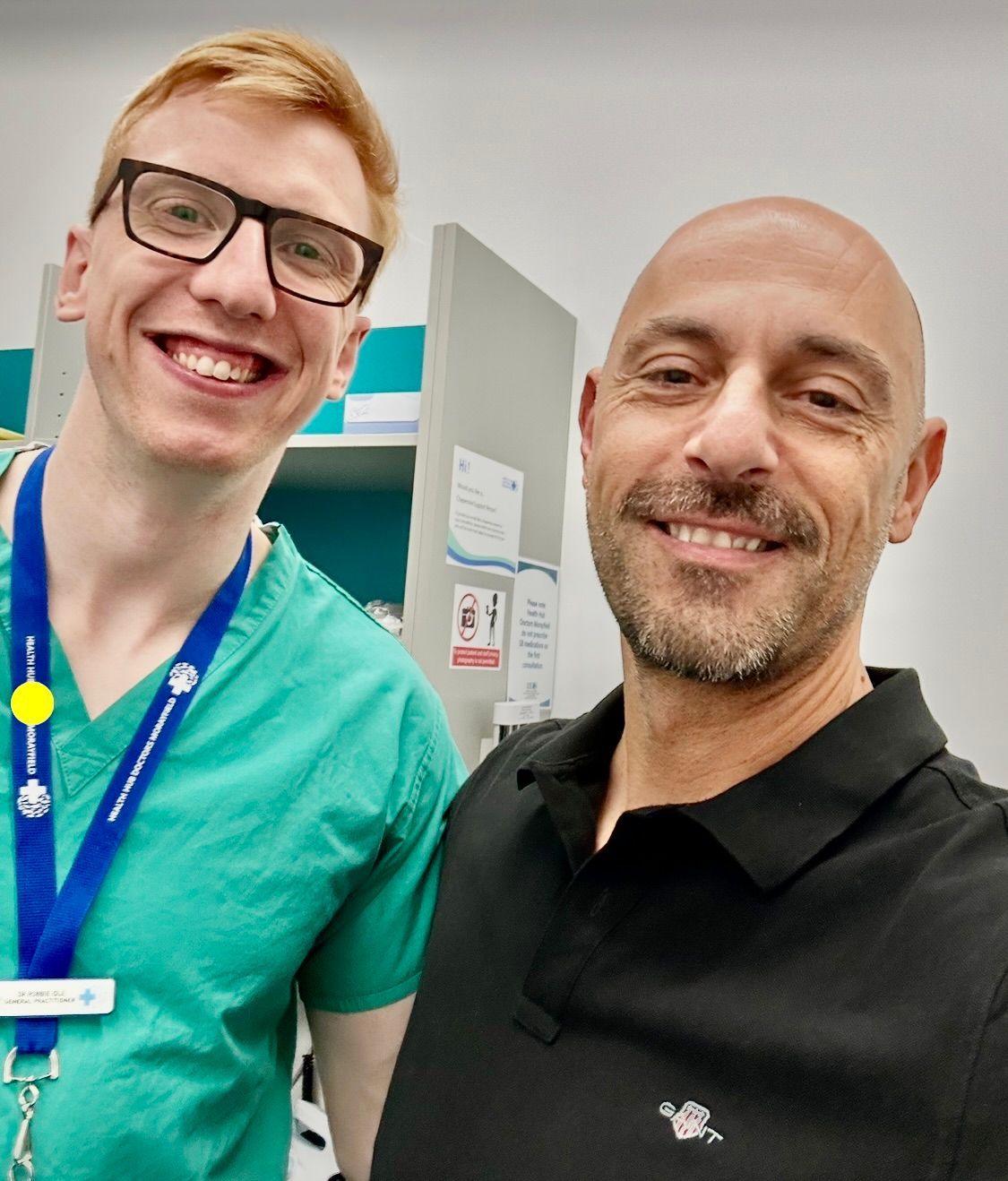
Every so often, a placement stands out, not because it was the easiest, but because it marked a turning point in how we support GPs moving to Australia. Dr Idle’s journey from Scotland to Brisbane is one of those stories. When I first connected with him, the AHPRA Expedited Specialist Pathway was in the works but hadn’t officially started. He had initially submitted his RACGP Specialist Assessment, and then, the new pathway was announced, promising a much faster, cleaner route for UK GPs with CCT + MRCGP. We moved quickly, transferring his RACGP application and switching him over to the ESP to speed up his application. He became one of the very first GPs to go through this new process. And while the pathway itself was designed to be “expedited,” the reality of being first through the door was… interesting. There were delays, long pauses, and moments where we clearly saw AHPRA navigating a new internal process while dealing with a high influx of applications. Nothing moved clean or in a way we had expected. Because we corresponded directly with AHPRA daily, we were able to follow up, clarifying requirements, escalating where appropriate, and making sure nothing slipped through the cracks while the system caught up with itself. Eventually, after what felt like a marathon for everyone involved, Dr Idle was officially registered, visa approved, and on a plane to Australia. Today, he’s thriving in an exceptional practice, fully settled, and building exactly the future he hoped for when he first reached out from Scotland. It’s been almost two years now, and we’re still in touch, not just for professional updates but to support him as needed. Our support continues long after a doctor starts their new role. Relocating your entire life to the other side of the world is a huge step, and whether it’s career progression, financial, schooling, community, or simply a friendly chat, we’re here for it. And personally, even after twenty years in GP recruitment, it still gives me genuine joy when I finally meet a doctor in person after months of online correspondence and guiding them through the maze of registration, visas, logistics, and relocation. Seeing them happy, settled, and thriving is why I still love what I do. Since then, we’ve guided many more doctors through the Expedited Specialist Pathway. It has become smoother and more predictable than when it first launched. With the right guidance and careful preparation, most of the early delays can now be avoided. Dr Idle’s journey from Scotland to Brisbane wasn’t perfect or straightforward, but it was meaningful. It marked the beginning of a new chapter for how international GPs come to Australia, and I’m proud we helped him navigate it before the pathway had even found its rhythm. If you're a UK GP considering the move, I’m always happy to talk through the process and help you understand whether it’s the right next step for you. With the right guidance, the transition truly can be life-changing, just as it was for Dr Idle.
November 12, 2025
Across Australia, general practice is changing fast and so are the pressures on GPs. From increasing patient complexity to stagnant funding, many doctors are questioning whether their current practice truly supports the kind of medicine they want to provide. The Realities GPs Are Facing in 2026 Rising complexity, less time to care Recent RACGP data shows that over two-thirds of GPs are managing more complex, multi-condition cases than ever before. Many are spending longer with patients but without adequate remuneration or support. Funding that hasn’t kept pace Despite government incentives, Medicare rebates and practice funding haven’t matched the true cost of quality care. Practices are being forced to choose between bulk billing and financial sustainability, and GPs are feeling the strain. Administrative overload and burnout The non-clinical workload has ballooned. From compliance and care plans to IT and communication gaps, it’s no surprise that one in three GPs say they may leave practice within five years. Searching for better balance Most GPs still love what they do but want better systems, better support, and more time for patients. They’re looking for practices that align with their values: professionalism, autonomy, and patient-centred care. What a Better Opportunity Really Means If you’re a GP currently feeling these pressures, the solution might not be “more or less of the same” it might be finding a practice managed differently. Clinics that focus on quality over quantity, with: Busy, well-established clinics Special interest patient flow Strong nursing and management support Billing models that support growth Flexible work options Professional autonomy “Sometimes a fresh start can be life-changing for the better” Medipeople has been helping GPs find fulfilling roles across Australia for over 20 years, matching doctors with practices that fit their values, lifestyle, and professional goals. click here to learn more